12 Contingencies to Pack for a Camping Trip with Kids
Camping with children can be one of the best ways to slow down, reconnect and enjoy the outdoors as a family. However, when you are travelling off the grid, even a small problem can quickly become a major inconvenience. Careful contingency planning helps you stay calm, comfortable and prepared when things do not go to plan.
Here are 12 essential back-up items and precautions to consider before your next family camping trip.
1. A comprehensive first-aid kit
Every family camping kit should include bandages, antiseptic, sterile dressings, tweezers, medical tape, disposable gloves, pain relief, antihistamines and any prescribed medication. Add children’s medicines in age-appropriate doses, along with a thermometer and insect-bite treatment. Check expiry dates before leaving and make sure at least one adult knows how to use the contents.
2. Extra drinking water
Never rely entirely on a campsite tap, creek or water tank. Carry more drinking water than you expect to use, particularly in hot or remote areas. A portable water filter, purification tablets or a suitable boiling system can provide an additional safeguard if your main supply is lost or contaminated.
3. Back-up power
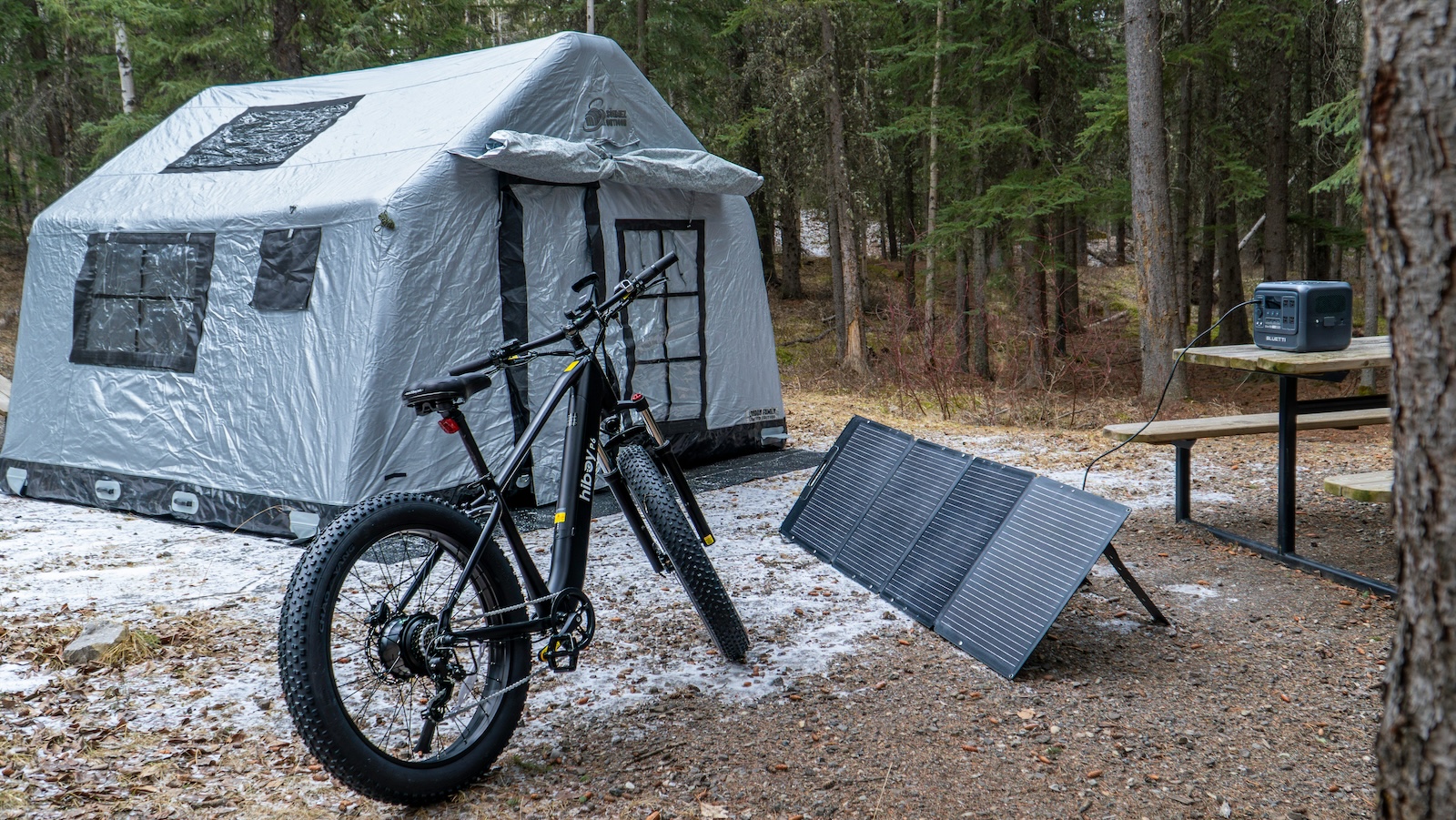
Phones, lights, medical devices and navigation equipment all depend on reliable power. Pack charged power banks, spare batteries and a solar charger. For longer trips, consider a portable power station or compact generator. Generators should only be used outdoors, well away from tents, vehicles and enclosed areas, because of the risk of carbon monoxide poisoning.
4. Multiple lighting options
Do not rely on a single torch. Pack headlamps for adults, child-friendly torches, lanterns and spare batteries. Glow sticks can help identify tent entrances, guide children to the toilet at night or make it easier to keep track of young campers after dark.
5. Emergency food supplies
Bring at least one extra day’s worth of simple, shelf-stable food. Useful options include crackers, muesli bars, tinned meals, dried fruit, nut-free spreads and long-life milk. Choose food that can be eaten without cooking in case your stove fails, the weather turns or fire restrictions prevent you from using certain equipment.
6. A second cooking method
Gas canisters run out, equipment breaks and campfires may be banned. Pack a back-up stove or an alternative fuel source that complies with local restrictions. Waterproof matches, several lighters and a manual can opener are also easy to forget and surprisingly important.
7. Weather protection
Conditions can change quickly, even when the forecast looks favourable. Carry waterproof jackets, warm layers, spare socks, sun hats, sunscreen and thermal blankets. Pack clothing in waterproof bags so that your emergency change of clothes remains dry if the tent leaks.
8. Shelter repair supplies
A damaged tent can bring a family camping trip to an abrupt end. Pack duct tape, spare tent pegs, cord, cable ties, a small repair kit and a tarpaulin. A tarp can provide shade, cover damaged equipment or create temporary shelter during heavy rain.
9. Navigation and communication tools
Download offline maps before leaving and carry a paper map and compass as back-ups. In areas without mobile reception, consider a satellite communicator, personal locator beacon or emergency beacon. Leave your route, campsite details and expected return time with a trusted person.
10. Vehicle recovery equipment
For remote travel, pack a properly inflated spare tyre, jack, tyre-repair kit, jumper leads, basic tools and an air compressor. Depending on the terrain, recovery boards, a shovel and a rated recovery strap may also be appropriate. Check fuel levels carefully and carry additional fuel only in approved containers.
11. Child-specific comfort items
A familiar toy, comforter, favourite snack or spare dummy can make an unexpected delay much easier. Pack extra nappies, wipes, clothes and bedding, even if your child rarely needs them at home. Keeping children warm, dry and reassured is an important part of emergency planning.
12. A clear family emergency plan
Before setting up camp, show children where to meet if they become separated. Teach them to stay in one place, call out and use a whistle. Adults should know the nearest emergency facility, ranger station and safe evacuation route.
Preparing for contingencies does not mean expecting disaster. It means giving your family the confidence to enjoy the adventure, knowing you are ready for the most common problems that can arise off the grid.